What is Tajweed? A Clear Definition
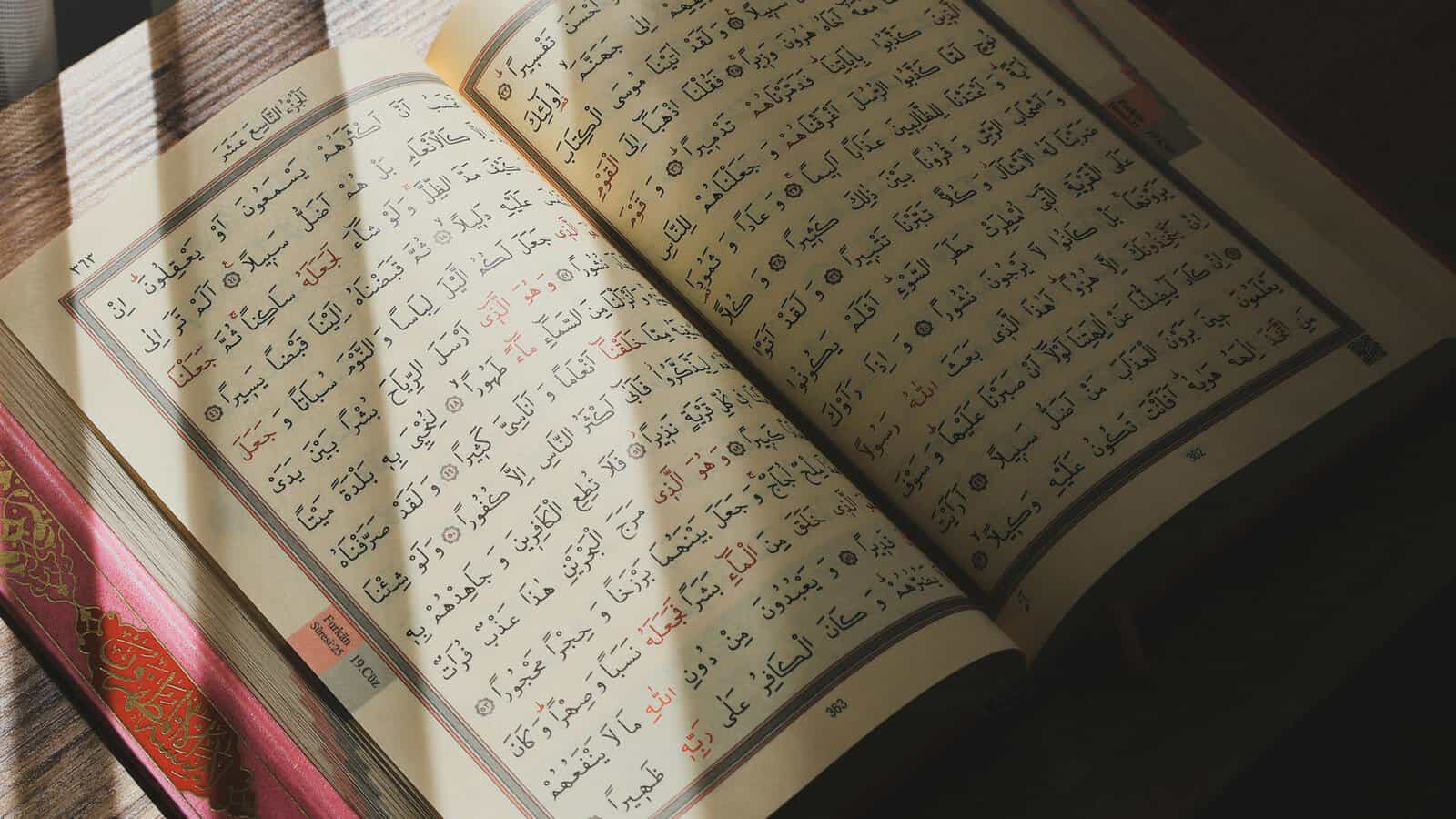
Tajweed (تجويد) is the set of rules that governs how the Quran should be recited, so that every letter is pronounced with its correct sound, in its correct place, and held for its correct length. It is the science of reciting the Quran the way Prophet Muhammad (peace be upon him) recited it when it was revealed to him by the angel Jibreel.
It is not a poetic style or an optional flourish. Tajweed is the preservation layer that keeps the recitation of the Quran consistent across centuries, continents, and languages. Whether a reciter is in Cairo, Manchester, or Jakarta, a Quran recited with correct tajweed sounds essentially the same, because the rules describe the exact position of the tongue, the exact length of each vowel, and the exact way the breath moves through the mouth.
That unmistakable quality you hear in a Sheikh’s recitation, the reason it sounds so different from a casual reading, comes from tajweed.
The Linguistic Root: Why Tajweed Means “Excellence”
The word tajweed comes from the Arabic root j-w-d (جود), which means “to make something excellent” or “to do something well.” The verb form jawwada literally means “to improve” or “to perfect.”
When early Muslim scholars chose this word to describe the science of Quranic recitation, the choice was deliberate. They weren’t saying “read the Quran correctly.” They were saying “read the Quran with excellence.” The distinction matters, because tajweed is not about avoiding errors as a minimum. It is about giving the Quran the quality of recitation it deserves as the literal speech of Allah.
There is a well-known definition attributed to Ibn al-Jazari, one of the most respected tajweed scholars in Islamic history, who said that tajweed is “giving every letter its right (haqq) and its due (mustahaqq).” The haqq refers to the essential qualities a letter can never lose (like the articulation point, where in the mouth or throat it comes from). The mustahaqq refers to the qualities that only appear in certain contexts (like when a noon sakinah hides before certain letters).
Why Tajweed Matters: The Meaning Can Change
Is tajweed worth the effort? Without it, you can accidentally change the meaning of the words of Allah.
Arabic is a precise language. Many letters share similar sounds to an untrained ear but carry completely different meanings. A small slip of the tongue can turn one word into another.
Two examples:
- The word qalb (قَلْب) means “heart.” The word kalb (كَلْب) means “dog.” The only difference is where the tongue touches when you pronounce the first letter. Mispronounce it in Surah Ash-Shu’ara when the verse describes a “sound heart,” and you have just called it something very different.
- The word rabb (رَبّ) means “Lord.” The word rabw (رَبْو) means something entirely unrelated. Confusing the ب (ba) with a similar-sounding letter changes the subject of the sentence.
This is why the Quran itself commands careful recitation. Allah says: “…and recite the Quran with measured recitation (tartilan)” (Surah Al-Muzzammil, 73:4). The word tartilan means slow, clear, and careful pronunciation. Tajweed is the body of knowledge that explains exactly what “measured recitation” requires in practice.
Allah also describes in Surah Al-Furqan (25:32) that the Quran was revealed gradually “that We may strengthen your heart thereby. And We have spaced it distinctly.” The words “spaced it distinctly” (rattalnahu tarteelan) come from the same root as tartilan, tying the idea of measured, clear recitation directly to how the Quran was revealed in the first place.
Is Learning Tajweed Obligatory in Islam?
The answer comes in two parts.
Part 1: The basic level is obligatory for every Muslim who recites the Quran.
Scholars across the four major schools agree that applying tajweed to the extent that you do not change the meaning of Quranic words is an individual obligation (fard al-‘ayn). This means if you read the Quran in prayer, and you do so in a way that changes the meanings of the verses, you are sinning. You do not need to know the technical names of every rule. You just need to pronounce the letters correctly enough that you are not saying the wrong words.
Part 2: Mastering advanced tajweed is a communal obligation.
The deeper study of tajweed, memorizing all the rules, understanding the fine differences between schools of recitation (qira’at), earning certifications, is a communal obligation (fard al-kifayah). The Muslim community as a whole must have qualified reciters and teachers. Not every individual needs to reach this level, but enough people must, so that the chain of correct recitation continues.
The Prophet (peace be upon him) said: “The one who is proficient in the recitation of the Quran will be with the honourable and obedient scribes (angels) and he who recites the Quran and finds it difficult to recite, doing his best to recite it in the best way possible, will have a double reward” (Sahih al-Bukhari 4937; Sahih Muslim 798).
This hadith is a relief for anyone who struggles. The reward is not reserved for those who recite perfectly on the first try. It is for those who try sincerely.
If that ruling applies to you, the practical question is not whether to learn Tajweed but who is going to correct you while you do. A recording cannot, and neither can an app. Book a free trial lesson and have your recitation listened to properly once, which is usually enough to show you what to work on.
A Brief History of Tajweed
Tajweed is not a human invention layered on top of the Quran. It is how the Quran was recited from day one.
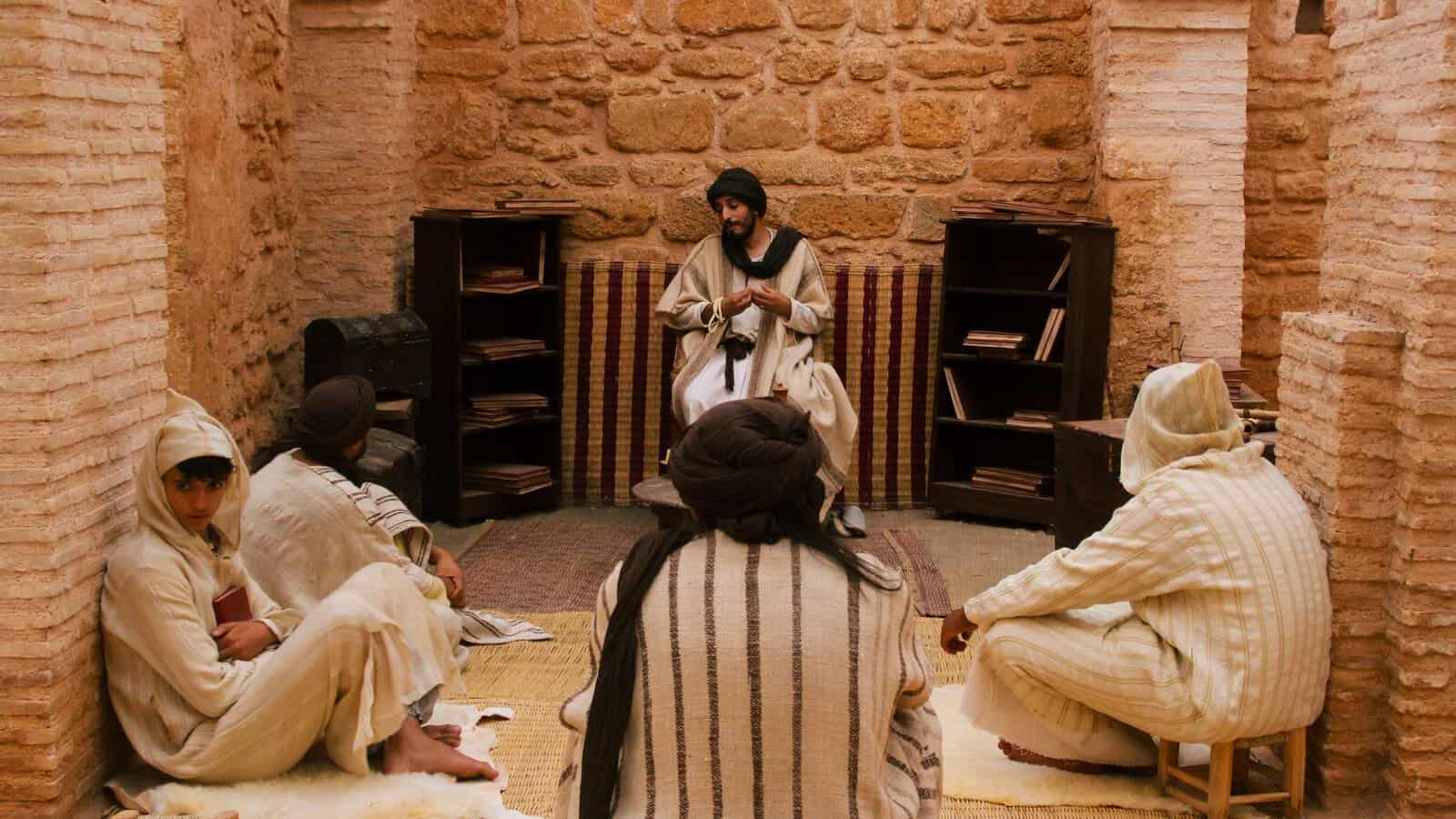
When Prophet Muhammad (peace be upon him) received revelation, the angel Jibreel recited the verses to him with specific rules of elongation, nasalization, articulation, and pauses. The Prophet then taught his companions to recite in exactly the same way. They passed it to the next generation, who passed it to the generation after, and so on.
For the first two centuries of Islam, tajweed was transmitted orally without being formally written down, because Arabic was the native language of most early Muslims and they naturally applied most of the rules. As Islam spread beyond Arabia, Muslims from non-Arab backgrounds began reciting in ways that threatened to distort the words. This is when scholars started to codify tajweed into writing.
Key milestones:
- 8th century CE: Abu ‘Ubayd al-Qasim ibn Sallam wrote one of the earliest known works on tajweed rules.
- 11th century CE: Imam al-Dani produced influential works on the seven qira’at and their tajweed.
- 15th century CE: Ibn al-Jazari composed Al-Muqaddimah al-Jazariyyah, a didactic poem still memorized by tajweed students today.
- 18th century CE: Imam al-Jamzuri wrote Tuhfat al-Atfal, the standard beginner’s text for Noon Sakinah, Meem Sakinah, and Madd rules.
Every tajweed teacher you can study with today can trace their training back through this chain, teacher to teacher, all the way to the Prophet (peace be upon him). This is called an ijazah, and it is one of the most remarkable features of Islamic scholarship.
What You Learn When You Study Tajweed
Tajweed is organized into several categories of rules. Each category governs a specific type of letter combination or sound. A quick overview below, with a full breakdown and Quranic examples in our complete guide to tajweed rules.
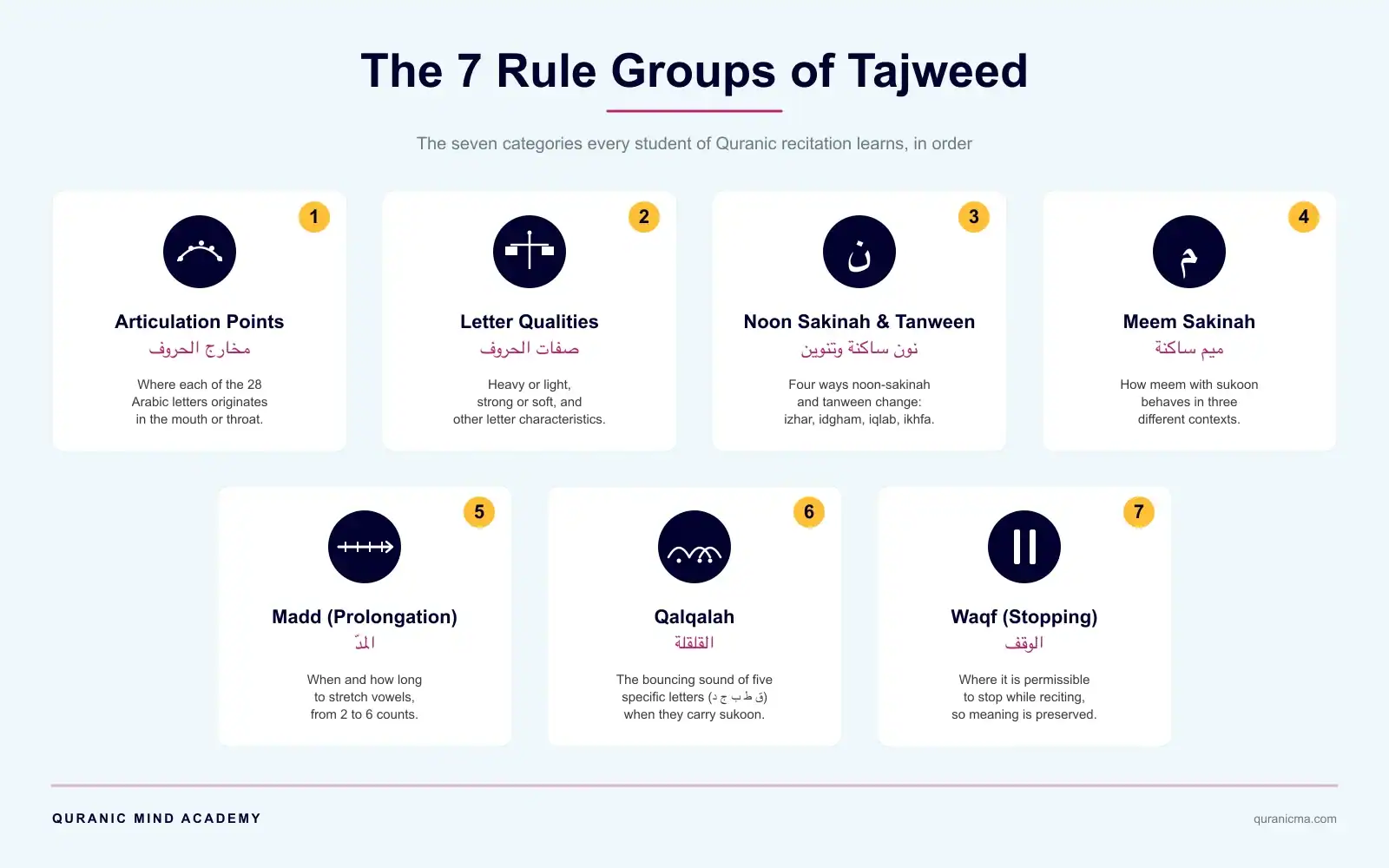
- Articulation points (makharij al-huroof): Where exactly in the mouth or throat each of the 28 Arabic letters originates.
- Letter qualities (sifat al-huroof): The characteristics each letter carries (heavy or light, strong or soft, and so on).
- Noon sakinah and tanween rules: The four ways a noon with sukoon or tanween changes based on the letter that follows (izhar, idgham, iqlab, ikhfa).
- Meem sakinah rules: How meem with sukoon behaves in three different contexts.
- Madd (prolongation) rules: When and how long to stretch vowels, ranging from 2 to 6 counts.
- Qalqalah: The bouncing sound produced by five specific letters (ق ط ب ج د) when they carry sukoon.
- Waqf (stopping) rules: Where it is permissible to stop while reciting and where it is not, so that meaning is preserved.
Most students can reach a functional level in 3 to 6 months of consistent study. Full fluency takes 1 to 2 years. Mastery for teaching or certification takes several years and is best pursued with a qualified teacher.
Who Should Learn Tajweed?
Every Muslim who recites the Quran, regardless of age or background. In practice:
- Children (ages 5 to 12): The earlier, the better. Young learners absorb the sounds of Arabic naturally. Most start with a Noorani Qaida course that builds tajweed foundations alongside basic Arabic reading.
- Teens and adults learning for the first time: Start with the Arabic alphabet and basic reading. Tajweed rules make sense only once you can read Arabic script, so a Quran reading course for beginners is the correct first step.
- Reverts to Islam: Same starting point as adult learners. Many reverts find that tajweed feels overwhelming at first, but focused one-to-one instruction makes it approachable.
- Hifz students: Tajweed is not optional for anyone memorizing the Quran. Memorizing the wrong pronunciation is harder to correct later than learning it right the first time.
- Imams and teachers: Anyone leading prayer or teaching others needs tajweed beyond the fundamentals, including the science of the seven qira’at if possible.
5 Common Misconceptions About Tajweed
1. “Tajweed is only for Arabs.” Arabs still need tajweed to recite the Quran correctly. Many rules are not present in spoken Arabic (like the precise 6-count madd or the qalqalah bounce). Non-Arabs often learn faster because they approach it as a completely new skill, with no native-dialect habits to unlearn.
2. “Tajweed is about singing or making recitation sound beautiful.” Tajweed is about accuracy. The beauty comes from accuracy, not from melody. Melody is a separate art called taghanni and it is added on top of correct tajweed, not in place of it.
3. “I can learn tajweed from YouTube alone.” YouTube is useful for passive exposure, but tajweed is fundamentally an oral science. A teacher needs to hear you, correct you, and watch your mouth in real time. Self-study without feedback tends to reinforce errors rather than fix them.
4. “Tajweed will slow me down so much I won’t finish reading the Quran.” Tajweed does slow you down at first. Then it becomes automatic, and most students reach their old reading pace within a few months, but now with accurate recitation.
5. “If I just pray my salah, I don’t need formal tajweed.” If your prayer recitation changes the meaning of Al-Fatihah or the short surahs you recite, then yes, you do need it. The validity of your salah depends on reciting Al-Fatihah correctly.
How to Start Learning Tajweed This Week
You do not need to wait for the “right time” to begin. A realistic four-step roadmap:
- Make sure you can read Arabic script. If you cannot yet, start with a Noorani Qaida or a beginner Quran reading course. Trying to learn tajweed before you can read the letters is a recipe for frustration.
- Pick a qualified teacher. A teacher with an ijazah in recitation is the gold standard. Look for one-to-one online classes where you can recite and be corrected in real time, the format of our online Quran classes in the UK. Group classes are cheaper but much less effective for tajweed.
- Start with Noon Sakinah and Meem Sakinah rules. These four plus three rules appear on almost every line of the Quran. Learning them first produces the fastest visible improvement in your recitation.
- Listen, record, and compare. Pick a reciter whose voice you enjoy (Sheikh Husary, Sheikh Al-Minshawi, or Sheikh Mishary Alafasy are excellent for beginners). Record yourself reciting the same verse. Play both back-to-back. The gaps become obvious, and this is where a teacher can guide you toward closing them.
Steps three and four are work you do on your own, between lessons. If you want that side set out properly, including a twenty-minute daily routine and an honest account of which parts of tajweed self-study cannot fix, see our guide to how to learn tajweed at home.
Tajweed governs how the words are pronounced. What they actually mean is a separate discipline with its own rules and its own limits, and if that is where your interest is heading, start with our guide to what tafseer is.
Frequently Asked Questions About Tajweed
What is the difference between tajweed and qira’at?
Tajweed is the set of rules for correct recitation. Qira’at refers to the ten authenticated recitation traditions, each transmitted through an unbroken chain from a different companion of the Prophet (peace be upon him). All qira’at use tajweed, but each has its own small differences in pronunciation and wording. Most Muslims today recite in the qira’at of Hafs ‘an ‘Asim.
| Aspect | Tajweed | Qira’at |
|---|---|---|
| What it is | The rules for correct pronunciation | Authenticated recitation traditions |
| Number | One unified system of rules | 10 authenticated (7 most widely used) |
| Origin | Transmitted from the Prophet ✌ (peace be upon him) via all qira’at | Each traces to a specific companion and his students |
| Scope | How to pronounce each letter | Which pronunciation and wording variant to use |
| Who applies it | Every Muslim who recites the Quran | Mostly specialist reciters and scholars |
| Example | Madd, qalqalah, ghunnah | Hafs ‘an ‘Asim, Warsh ‘an Nafi‘, Qalun ‘an Nafi‘ |
Can I learn tajweed online?
Yes. Online one-to-one tajweed classes are highly effective because the teacher can hear you, correct you, and watch your pronunciation in real time over video. Many students actually progress faster online than in-person because they get undivided attention from the teacher for the full lesson.
How long does it take to learn tajweed?
Most students grasp the core rules in 3 to 6 months of consistent study (two to three sessions per week). Applying them naturally without thinking takes 1 to 2 years. Full mastery, to the level of earning an ijazah, can take several years of advanced study depending on your starting point.
Is tajweed mentioned in the Quran?
The word “tajweed” is not used in the Quran, but the concept is. The command to recite “with measured recitation” in Surah Al-Muzzammil (73:4) and the promise of careful preservation in Surah Al-Qiyamah (75:16-18) both establish the principles that tajweed codifies into rules.
Can I recite the Quran without tajweed?
You should not, if you can avoid it. Reciting without tajweed can change meanings, and scholars agree that the basic level of tajweed is obligatory for recitation. If you are still learning, your best path is to keep reciting what you know while studying tajweed in parallel, not to stop reciting until you “know tajweed perfectly.”
What’s the best way for a beginner to start?
Enrol in a structured course with a qualified teacher, ideally one-to-one. Textbooks and apps are helpful supplements, but nothing replaces a teacher who can hear your recitation and point out errors you cannot hear yourself. A solid Quran course will take you from the alphabet through the full set of tajweed rules at a realistic pace.
Your Next Step
Understanding what tajweed is takes minutes. Learning to apply it takes a qualified teacher.
At Quranic Mind Academy, every teacher holds an ijazah in Quranic recitation, and every class is one-to-one. That means every minute of your lesson is focused on your recitation, your mouth, your mistakes, and your progress. Beginners often tell us the first correction they receive from a teacher is something they had been doing wrong for years without realizing it.
Book a free trial class and hear the difference a qualified teacher makes in a single session.