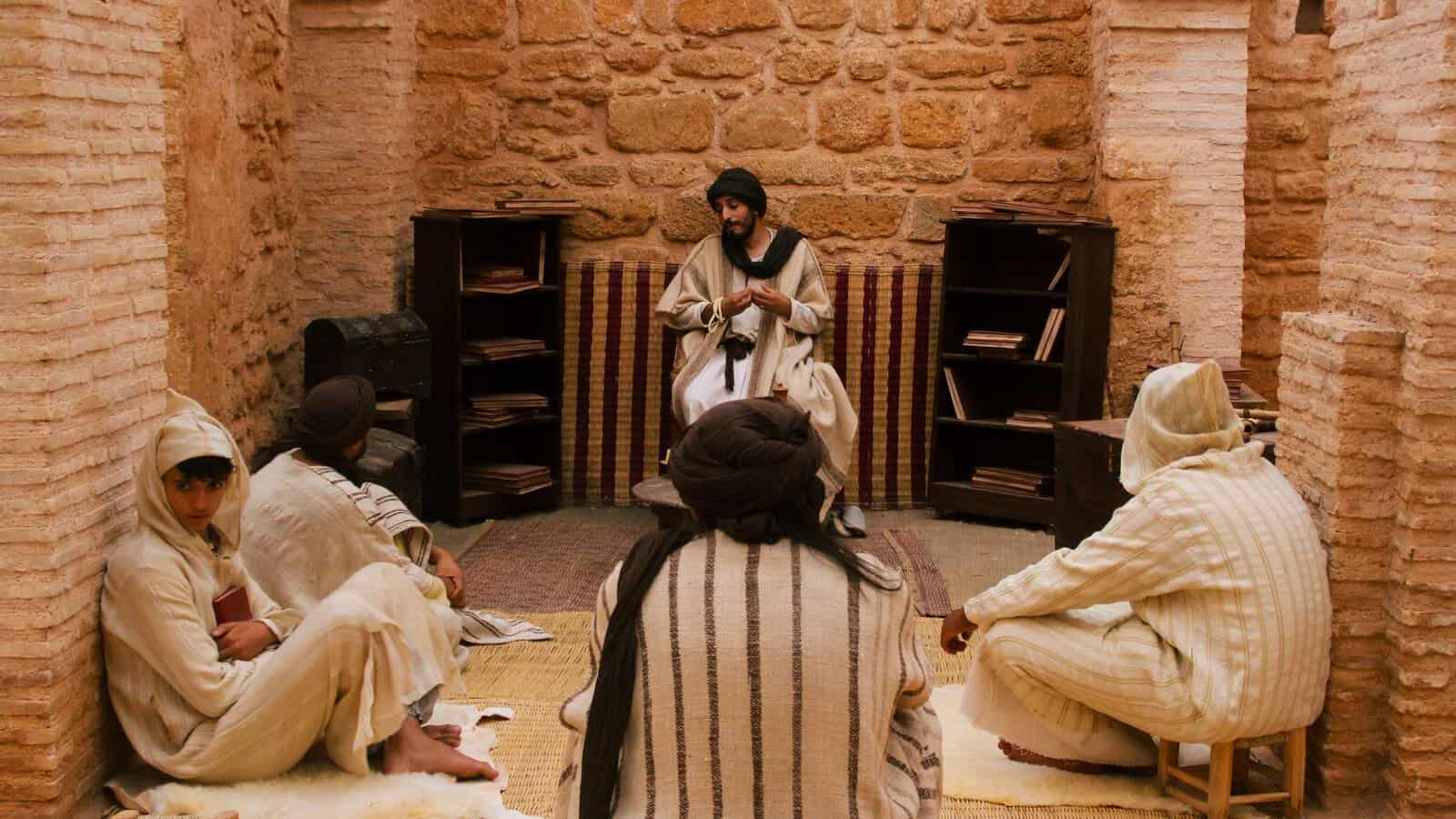
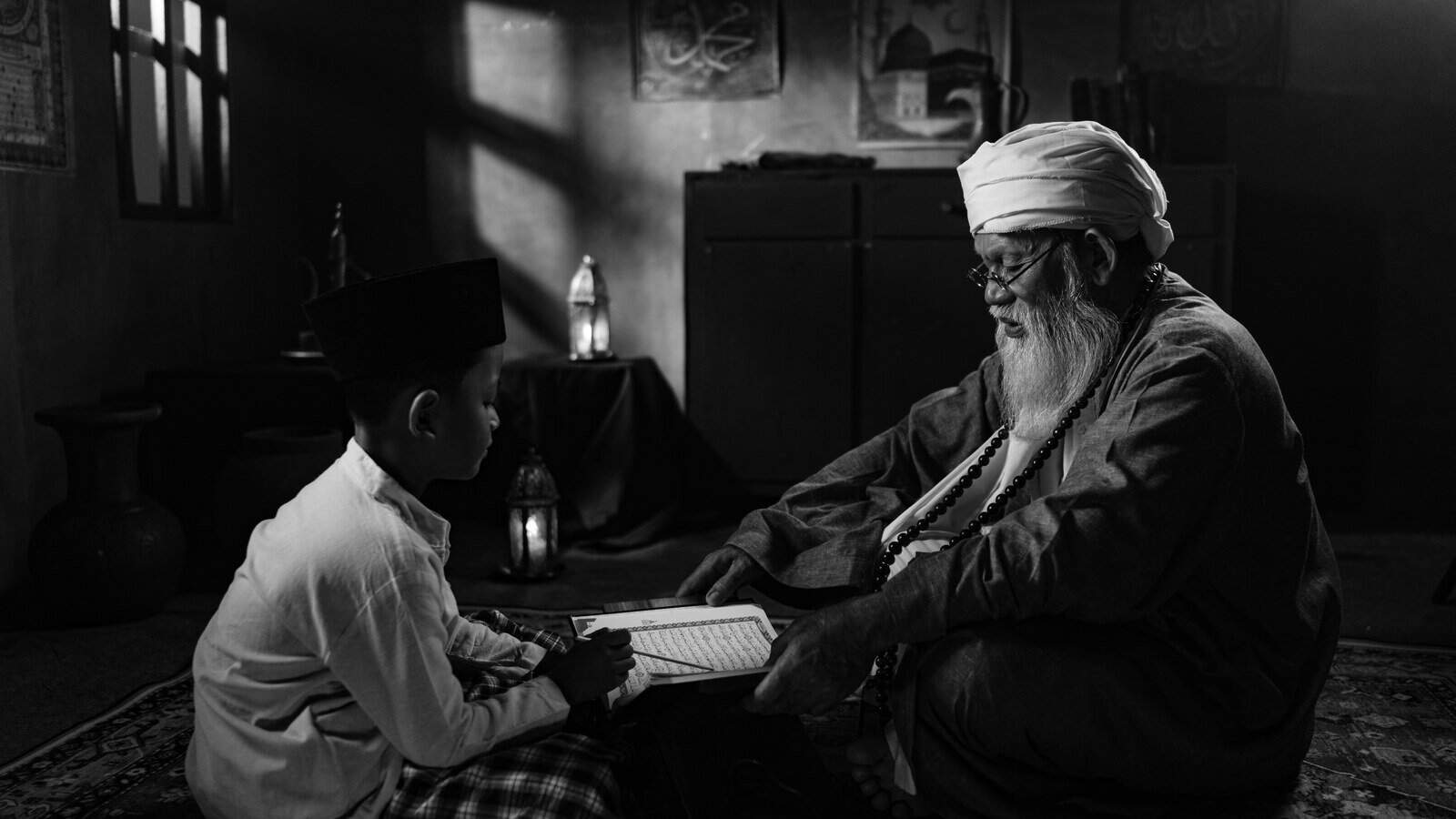
An ijazah in Quran is a licence to recite and teach the Book of Allah. It certifies that you have recited the Quran, correctly and in full, to a qualified teacher who has heard every letter and confirmed that you have it right. That teacher can only grant it because they earned the same licence from their own teacher, who earned it from theirs, in a chain that reaches back to the Prophet Muhammad ﷺ.
That chain is what sets an ijazah apart from any other certificate. This guide explains what an ijazah actually is, the chain of transmission behind it, the main types, what it takes to earn one, the step by step process, whether you can do it online, and why it is worth the effort.
What is an Ijazah in the Quran?
The word ijazah (إجازة) means permission or authorisation. In the study of the Quran, an ijazah is a certification granted by a qualified teacher stating that a student has recited the Quran to them accurately, and is now permitted to recite it in that way and to pass it on to others.
Two things are worth noticing straight away. First, an ijazah is not a paper certificate you can buy or earn by sitting a written exam. It certifies a skill you have demonstrated out loud, letter by letter, to someone qualified to judge it. Second, it is not only about your own recitation. It authorises you to transmit the Quran, which is why the document names the people who transmitted it to you.
The Quran has been learned this way since the beginning: mouth to mouth, teacher to student. Writing preserved the text on the page, but the sound of it, every elongation and every point of articulation, was carried by people who had heard it from people before them. An ijazah is the formal record of your place in that living line.
The Sanad: An Unbroken Chain to the Prophet ﷺ
At the heart of every ijazah is the sanad, the chain of teachers that links you back to the Prophet ﷺ. A full ijazah lists these names in order: your teacher, their teacher, and so on through the generations, ending with the Companions who learned directly from the Prophet ﷺ, who received it from the angel Jibril, from Allah.
Why go to such lengths over a chain of names? Because the Quran’s preservation was promised by Allah Himself. In Abdel Haleem’s translation of Surah al-Hijr, the verse reads, “We have sent down the Quran Ourself, and We Ourself will guard it” (Quran 15:9). Part of how that guarding has worked, in practice, is this careful, named, mouth to mouth transmission that the ijazah tradition protects.
The method goes back to the Prophet ﷺ himself. He did not receive the Quran silently; he received it by listening to Jibril and repeating after him. Surah al-Qiyamah addresses exactly this: “do not rush your tongue in an attempt to hasten the Revelation: We shall make sure of its safe collection and recitation. When We have recited it, repeat the recitation” (Quran 75:16-18, Abdel Haleem). In his commentary al-Wasit, the Azhari scholar Muhammad Sayyid Tantawi explains these verses as an instruction to the Prophet ﷺ not to hurry, but to listen to Jibril finish, then follow his recitation and repeat after him. Listen, then recite back. That is the same method every ijazah student uses today.
The Prophet ﷺ also modelled reciting the whole Quran back to be checked. Abu Hurayrah reported that Jibril would review the Quran with the Prophet ﷺ once every year, and reviewed it with him twice in the year he passed away (Sahih al-Bukhari 4998). This annual review, the mu’aradah, is the model for what a student does with a teacher: you recite the whole thing, out loud, to be verified.
And he pointed his Companions to specific, named teachers. “Take the Quran from four,” he said, naming Abdullah ibn Mas’ud, Salim, Mu’adh and Ubayy ibn Ka’b (Sahih al-Bukhari 4999). Learning from named, trusted people, rather than from just anyone, is the seed of the whole sanad tradition. An ijazah did not appear later as a bureaucratic invention. It formalises how the Quran has always moved from one person to the next.
Types of Ijazah in Quran
Not every ijazah is the same. The main difference is whether you recite from the Mushaf or from memory, and which reading of the Quran you are certified in.
| Type of ijazah | What you do | Memorisation needed? |
|---|---|---|
| Recitation (riwayah) | Recite the whole Quran aloud to a certified teacher with full tajweed, reading from the Mushaf. | No |
| Memorisation (hifz) | Recite the whole Quran to your teacher from memory, again with full tajweed. | Yes |
| The ten readings (al-qira’at al-‘ashr) | Master the ten canonical readings, usually after already holding a first ijazah. | Usually |
Most students take their ijazah in the recitation of Hafs ‘an ‘Asim, the reading used across most of the Muslim world and the one printed in the standard Mushaf. Advanced students who already hold one ijazah sometimes go on to study the ten canonical readings, the qira’at, each with its own chain.
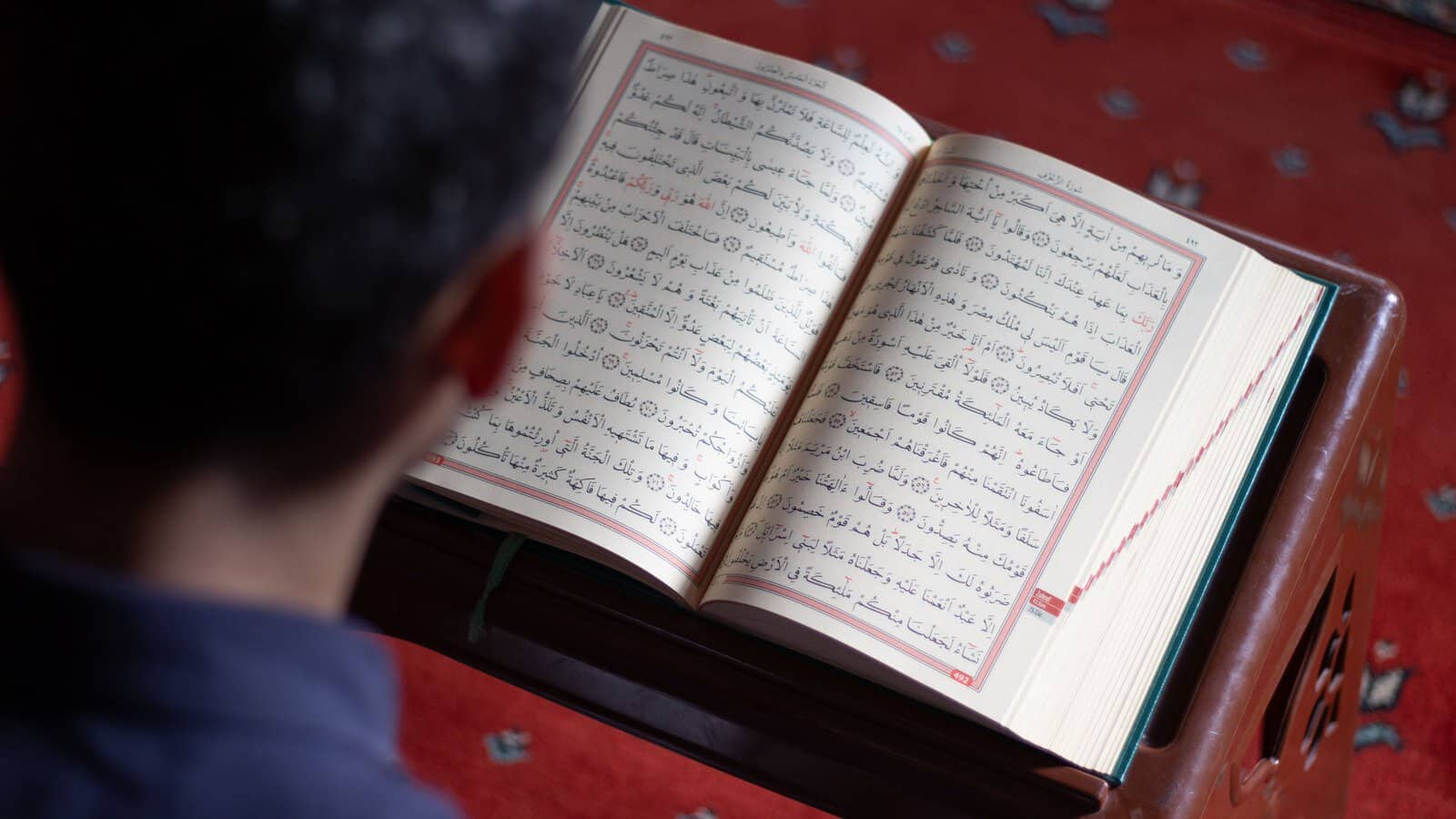
An ijazah certifies that you have recited the whole Quran, accurately and with tajweed, to a qualified teacher.
Requirements to Earn an Ijazah
Earning an ijazah asks for more than enthusiasm. In practice you need four things.
- Accurate recitation with tajweed. Every rule applied correctly, from the points of articulation (makharij) to the lengths of the elongations (madd). If you are still building this, our guides to what tajweed is and the full tajweed rules are the place to start.
- A complete recitation to your teacher. For a recitation ijazah you recite all thirty juz aloud, cover to cover, reading from the Mushaf and correcting every slip as you go. For a hifz ijazah you do the same from memory.
- A qualified teacher with a connected sanad. You can only receive an ijazah from someone who holds one and is authorised to grant it. A teacher without a documented chain cannot give you a real ijazah, however skilled they are.
- Patience and consistency. This is a careful process measured in months and years, not weeks.
There is no fixed minimum age. What matters is a solid foundation. If you are starting from the very beginning, a structured Noorani Qaida course builds the letters and sounds you will need before tajweed.
The Process, Step by Step
- Build your foundation. Learn to read the Arabic script, then work through the tajweed rules until you can apply them without thinking about them.
- Find a certified teacher. Look specifically for someone who holds an ijazah with a documented sanad and who teaches one to one. This is the single most important step.
- Recite to your teacher (talaqqi). Session by session you recite, and the teacher listens, correcting pronunciation, tajweed, and where you stop and start. This is the same listen and correct method the Prophet ﷺ used with Jibril.
- Complete the whole Quran. You work through the entire Mushaf, or the entire memorised text, to your teacher’s satisfaction, until it is error free.
- Take the final assessment and receive the ijazah. When the teacher is satisfied, they grant you the written ijazah. It records your sanad and states that you are permitted to recite in that reading and to teach it to others.
Can You Get an Ijazah in Quran Online?
Yes. The part that actually matters, reciting to a qualified teacher who listens and corrects, works just as well one to one over a video call as it does sitting side by side. You recite; the teacher hears every letter and stops you the moment something is off. Many students concentrate better in a focused one to one online session than in a crowded room.
This is how a great many serious students across the UK, Europe and North America now reach teachers they could never sit with in person. An online ijazah is as valid as any other, as long as the essentials are in place.
Before you enrol anywhere, check three things: that the teacher holds a real ijazah with a sanad you can ask about, that sessions are genuinely one to one rather than group classes, and that there is a clear path from your current level to the goal. Our online Quran classes and courses for adults are built around exactly this kind of one to one recitation.
Benefits of Earning an Ijazah
- A named link in an unbroken chain. Your sanad connects your recitation, teacher by teacher, back to the Prophet ﷺ. Few things a Muslim can do carry that kind of continuity.
- Verified accuracy. An ijazah is an external, qualified confirmation that you recite the Quran correctly, not just a private hope that you probably do.
- Permission to teach. It authorises you to pass the Quran on. The Prophet ﷺ said, “The best among you are those who learn the Quran and teach it” (Sahih al-Bukhari 5027). An ijazah puts you in a position to do exactly that, with authority.
- Discipline and reward. The months of careful recitation leave you with a command of the Quran that stays with you, and a share in preserving it for the next generation.
Start Your Ijazah Journey
An ijazah is earned slowly, one recited page at a time, with a teacher who knows the road. At Quranic Mind Academy, our Al-Azhar trained teachers guide students from the foundations right through to ijazah, one to one and online, in recitation and in memorisation with tajweed.
If you are not sure where you stand, the simplest first step is to recite for a teacher and find out. You can book a free trial and start from wherever you are.
Frequently Asked Questions
How long does it take to get an ijazah in Quran?
It depends on your starting level and the type. If you already read fluently with sound tajweed, a recitation ijazah can take one to two years of regular sessions. A hifz ijazah takes longer, because you memorise the whole Quran first and then recite it back. Consistency matters more than speed.
Can I get an ijazah online?
Yes. Reciting one to one to a certified teacher over video is a valid and now common way to earn an ijazah, provided the teacher holds a genuine sanad and the sessions are individual rather than group classes.
Do I need to memorise the whole Quran to get an ijazah?
Not for a recitation (riwayah) ijazah. You may recite from the Mushaf. Memorising the whole Quran is required only for a hifz ijazah, which certifies that you can recite it accurately from memory.
What is a sanad?
A sanad is the chain of teachers that links your recitation back to the Prophet ﷺ. Every name in the chain learned the Quran from the person before them. Your ijazah document lists this chain in full.
Is an ijazah in Quran officially recognised?
It is recognised within the scholarly tradition of Quran teaching, which is the setting that matters for reciting, teaching and transmitting. It is a certification in the sacred sciences rather than a state academic degree, and it is the standard qualification teachers look for.
Which reading will my ijazah be in?
Usually Hafs ‘an ‘Asim, the reading printed in the standard Mushaf and used across most of the Muslim world. Once you hold one ijazah, you can go on to study other readings, or the full set of ten qira’at, each with its own chain.